Thinking.
Governance, innovation, information security, enterprise change, and related signals.
The practice of digital transformation: four non-tech skills for introducing change and innovation

Introducing change and innovation at large organisations can be a daunting task. Solutions that seem clear at a high level can get messy when you get into the details. There are lots of stakeholders, they all have their own take on the problem, and so you get varying degrees of support depending on what angle you take at any given moment. It can quickly spiral out of control into the feeling that “everything is related to everything,” making it hard to get going.
Governance & Risk — Innovation Killers or Sound Strategy?
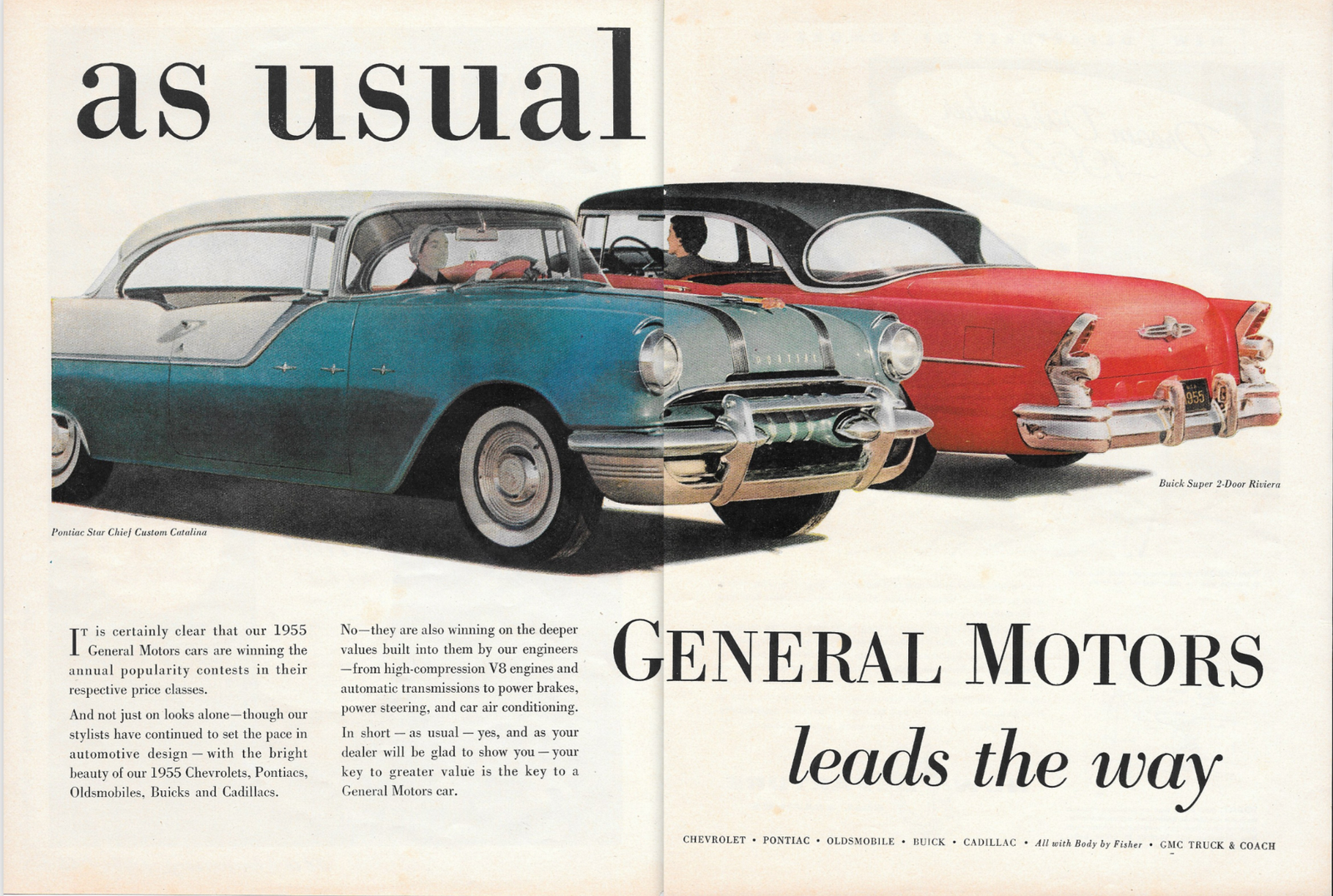
For many executives and leaders, extending transformation success beyond the tech space can present a challenge. That’s because successful transformation isn’t just about looking forward, it also requires that you understand a bit of history. If you’re trying to move forward, it’s imperative that you get your hand on My Years with General Motors, the autobiography written by GM’s first CEO, Alfred P. Sloan. It’s resonated deeply with our transformation work because it gives crystal clear insight into the fact that many of the problems we’re dealing with today were, in fact, solutions — once upon a time.
Slumlord Enterprise Vendors — Are They Holding Back Your Transformation?

Here’s a story I hear a lot lately: A company is undergoing a transformation and have reached a place where they’re thinking about end-to-end service design. That’s when they remember that they’ve outsourced a lot of operational systems, meaning key bits of data that are required to run a responsive, agile business are owned by an outside vendor. When they go to the vendor to retrieve this data, little information is forthcoming free of charge, and it’s expensive just to get an estimate for data retrieval. Eventually, it turns out to be too expensive to move forward, so nothing is done. The transformation limps along wounded, and leadership blames “the agile” instead of taking a hard look at the vendor.